
How do you get an accurate reading from a home blood pressure monitor?
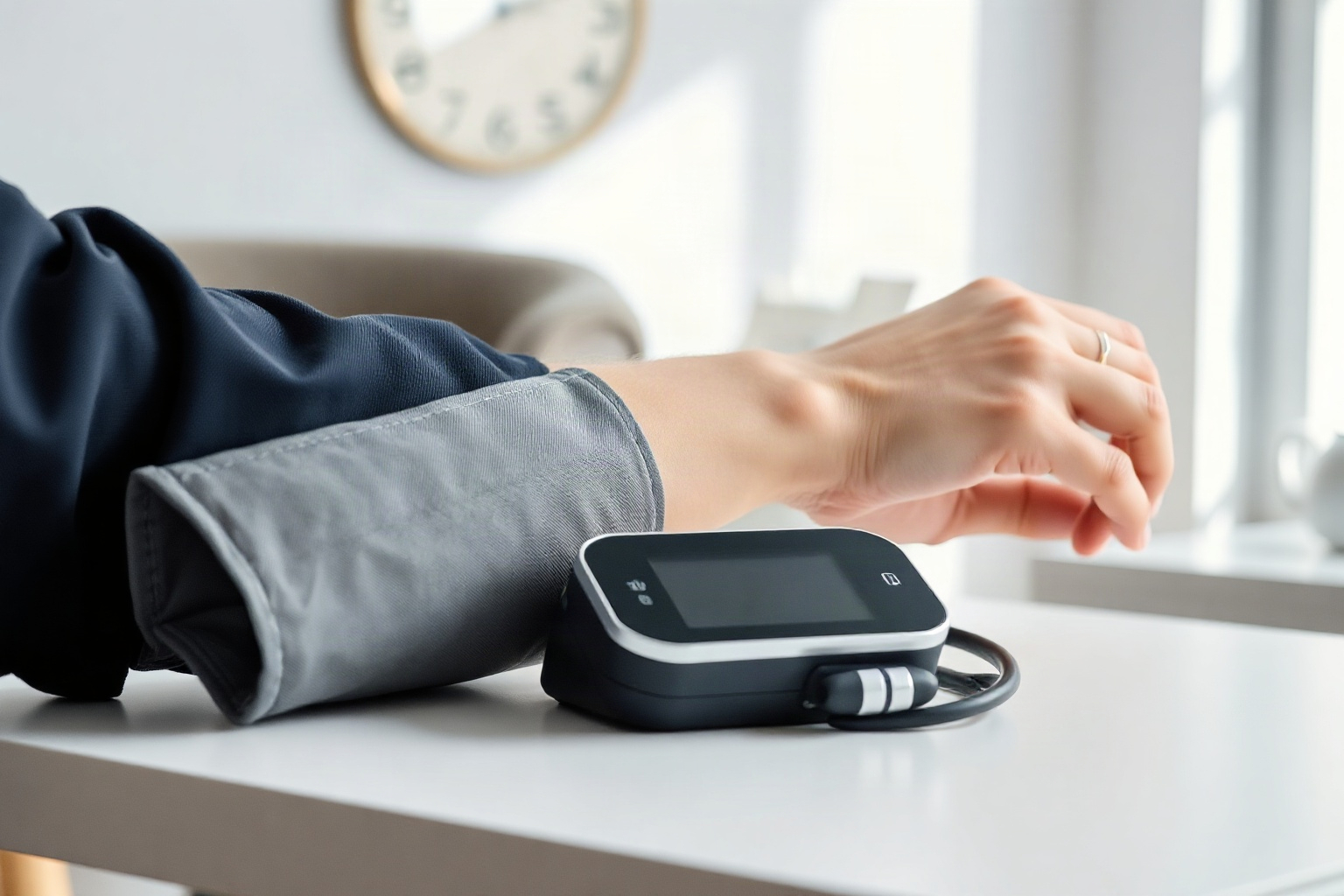
Pick the right cuff and device
An upper-arm monitor with a correctly sized cuff is widely preferred for home use. A cuff that is too small or too large can skew readings. Check the arm circumference range printed on the cuff before buying.
Prepare before you measure
Common guidance is to avoid caffeine, exercise and smoking for about thirty minutes beforehand, empty the bladder, then sit quietly for about five minutes. Sit with the back supported, feet flat, and the arm resting at heart level.
Take readings consistently
Measure at the same times on different days, take two or three readings a minute apart, and record them. Bring the log to appointments. A home device does not replace professional assessment, and unusual readings should be discussed with a clinician.
Common questions
Are wrist blood pressure monitors as accurate as arm cuffs?
This article is general information, not medical advice, and not a substitute for a licensed professional. Equipment use, coverage and costs vary; confirm specifics with your provider, supplier and plan. In an emergency seek urgent care.
← All supply guides